Archives
- 2026-07
- 2026-06
- 2026-05
- 2026-04
- 2026-03
- 2026-02
- 2026-01
- 2025-12
- 2025-11
- 2025-10
- 2025-09
- 2025-04
- 2025-03
- 2025-02
- 2025-01
- 2024-12
- 2024-11
- 2024-10
- 2024-09
- 2024-08
- 2024-07
- 2024-06
- 2024-05
- 2024-04
- 2024-03
- 2024-02
- 2024-01
- 2023-12
- 2023-11
- 2023-10
- 2023-09
- 2023-08
- 2023-06
- 2023-05
- 2023-04
- 2023-03
- 2023-02
- 2023-01
- 2022-12
- 2022-11
- 2022-10
- 2022-09
- 2022-08
- 2022-07
- 2022-06
- 2022-05
- 2022-04
- 2022-03
- 2022-02
- 2022-01
- 2021-12
- 2021-11
- 2021-10
- 2021-09
- 2021-08
- 2021-07
- 2021-06
- 2021-05
- 2021-04
- 2021-03
- 2021-02
- 2021-01
- 2020-12
- 2020-11
- 2020-10
- 2020-09
- 2020-08
- 2020-07
- 2020-06
- 2020-05
- 2020-04
- 2020-03
- 2020-02
- 2020-01
- 2019-12
- 2019-11
- 2019-10
- 2019-09
- 2019-08
- 2019-07
- 2019-06
- 2019-05
- 2019-04
- 2018-07
-
In this study we investigated the role phenyl tinor
2021-02-25
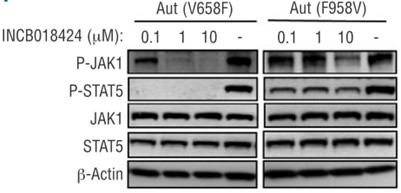
In this study we investigated the role 17-phenyl tinor (pt)-PGE2 on endothelial barrier function and the underlying molecular mechanism in HMVEC-Ls as well as in a murine model of LPS-induced acute pulmonary inflammation. We found that 17-pt-PGE2 concentration-dependently enhanced endothelial barrie
-
Next we compared the protease
2021-02-25
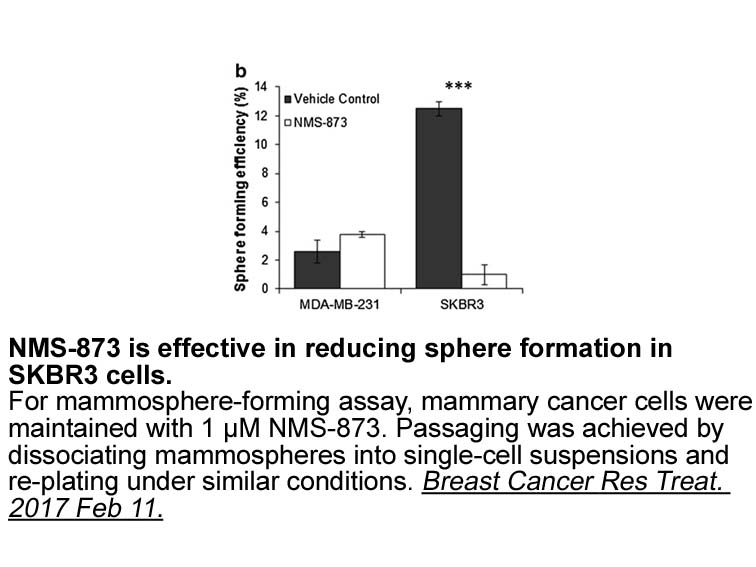
Next, we compared the protease-specificity of viruses NS116-GFP/AE and NS116-GFP/AT for trypsin, neutrophilic elastase or supernatant of human neutrophils. For later purposes, we determined the viral yield in a co-cultivation system of infected Vero Calpain Inhibitor XII with human neutrophils. The
-
Introduction Collagen fibrillogenesis the assembly of collag
2021-02-25
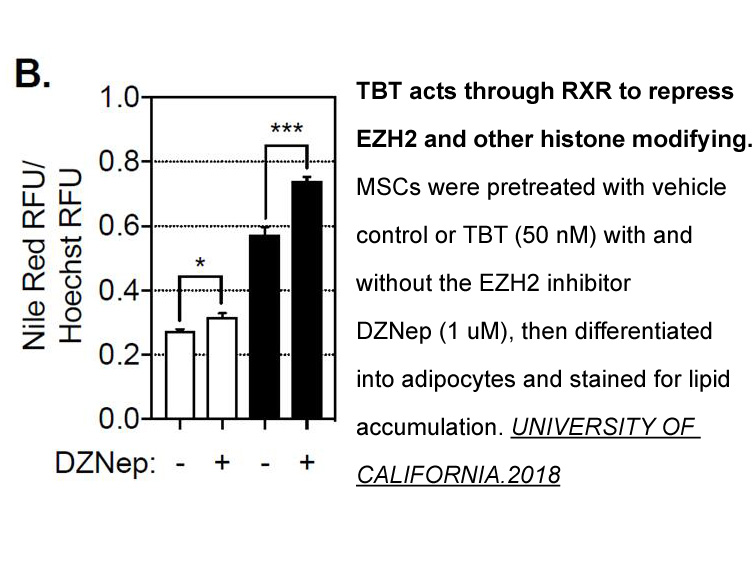
Introduction Collagen fibrillogenesis, the assembly of collagen fibers, is a critical process in the development, maturation, and repair of mammalian tissue. Alterations in the structure and amount of deposited collagen fibers can greatly alter the integrity of the whole tissue. Even a single point
-
Our western blotting results showed that phospho DDR levels
2021-02-24

Our western blotting results showed that phospho-DDR1 levels continued to increase after I/R injury, and the overall activation trend between phospho-DDR1 and MMP-9 was the same. We found that phospho-DDR1 expression started to increase significantly at 12h after I/R injury, which may be related to
-
Recent studies showed that the
2021-02-24
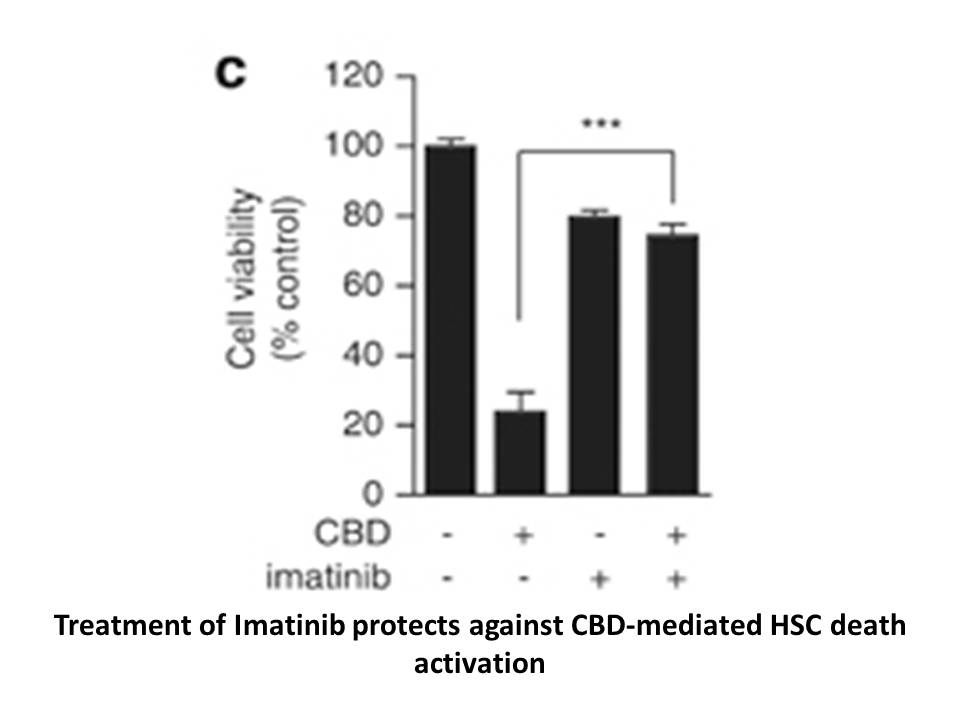
Recent studies showed that the activity of CK2 was significantly reduced in ischemic stroke model rats, and cerebral I/R injury significantly decreased the expression of CK2α (Lee et al., 2004; Kim et al., 2012; Zhou et al., 2016). In addition, the dysregulation of CK2 is involved in ERS/UPR in non-
-
Finally considering the encouraging inhibitory and selectivi
2021-02-24
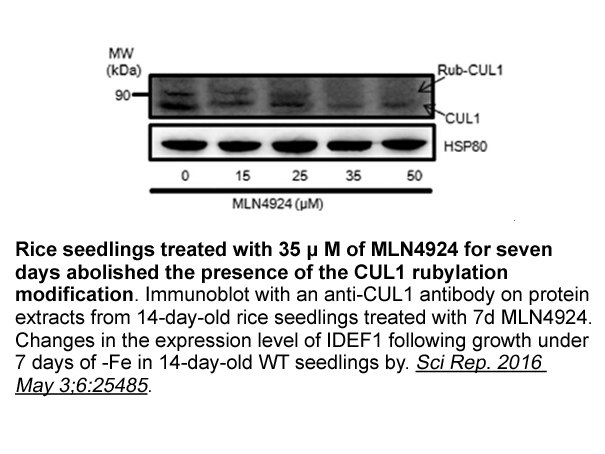
Finally, considering the encouraging inhibitory and selectivity properties of compound and against isolated CK1δ, we have also acquired a very preliminary cytotoxicity profile on human ovarian carcinoma cell line (2008) and on its cisplatin-resistant clone (C13). Results showed that after 48h of e
-
Our results for imidacloprid were unexpected considering tha
2021-02-24
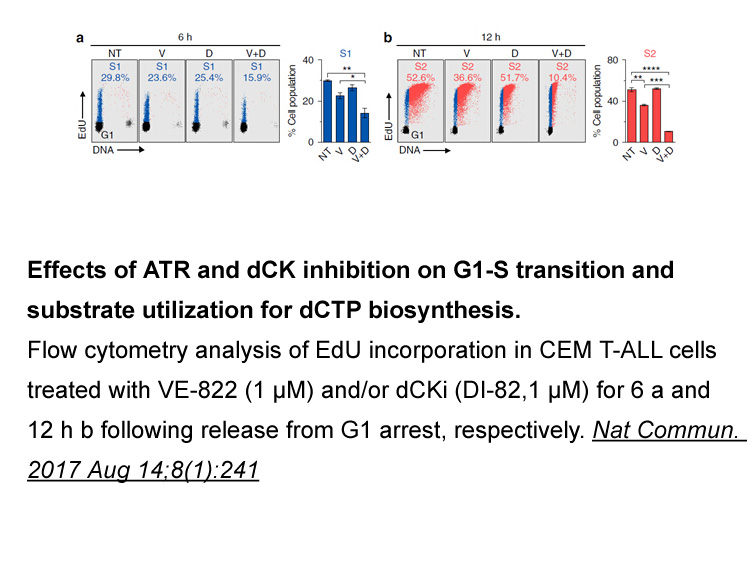
Our results for imidacloprid were unexpected: considering that imidacloprid (Im) is a neonicotinoid insecticide with a different mode of action (agonist of the nicotinic N-Benzylacetamidine hydrobromide receptor) than OPs, we expected Es-ChE and T-ChE activity to be largely insensitive to changes i
-
Udenafil also has shown the ability to
2021-02-24
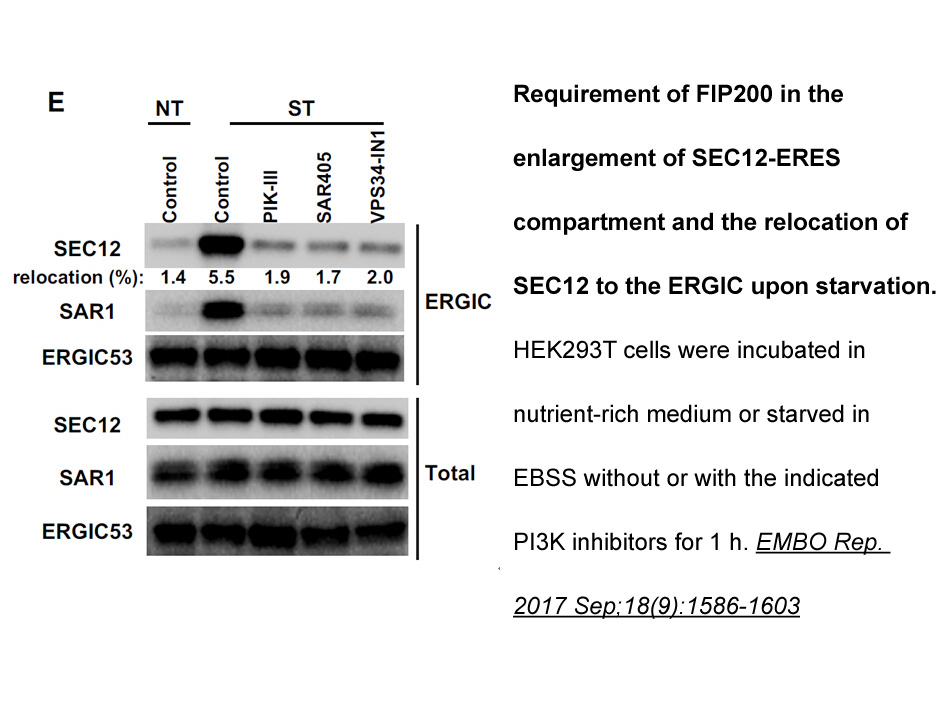
Udenafil also has shown the ability to significantly inhibit the decrease of vascular endothelial cell function and inhibit the decrease in endothelial cell and smooth muscle contents, thus preventing their fibrosis within the penile corpus cavernosum in diabetic or hyperlipidemic animal models when
-
Interestingly several ES cell lines are null for p
2021-02-24
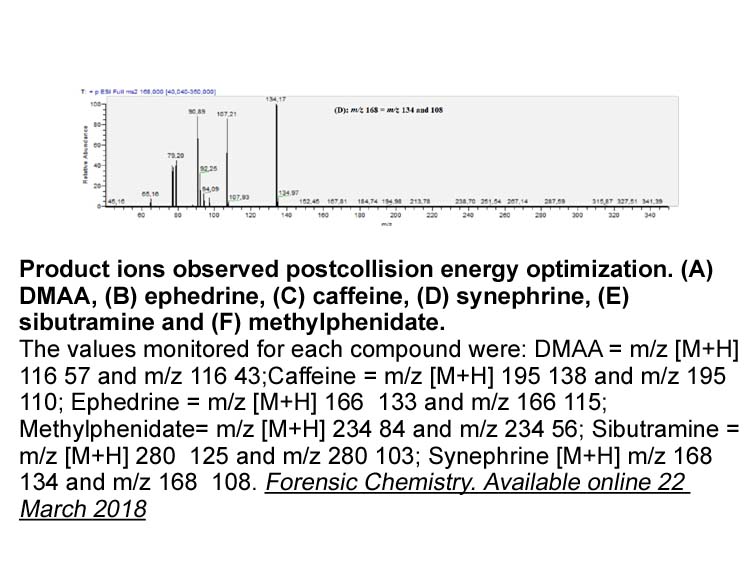
Interestingly, several ES cell lines are null for p53, possibly because the EWS-FLI1 chimeric protein can directly and indirectly interfere with p53 activity [38], [39]. The inhibition, loss and/or mutation of p53, one of the most common events in tumorigenesis, results in a decreased oxygen consump
-
br Experimental Procedures br Acknowledgments
2021-02-24
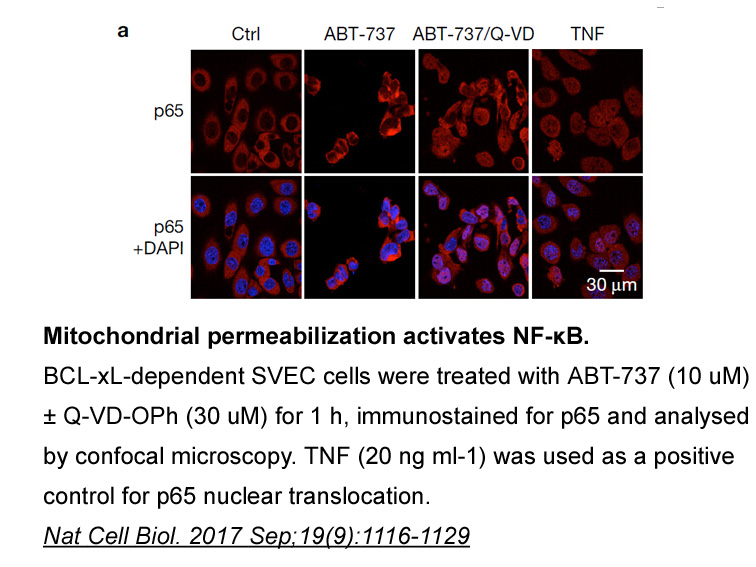
Experimental Procedures Acknowledgments Introduction Bisphenol A (BPA), 2,2-bis (4-hydroxyphenyl) propane, is widely used to manufacture consumer products including food and beverage containers (Vandenberg et al., 2007). It can be accumulated in human body via leaching from the polymers int
-
The transcription factor CREB has been
2021-02-24
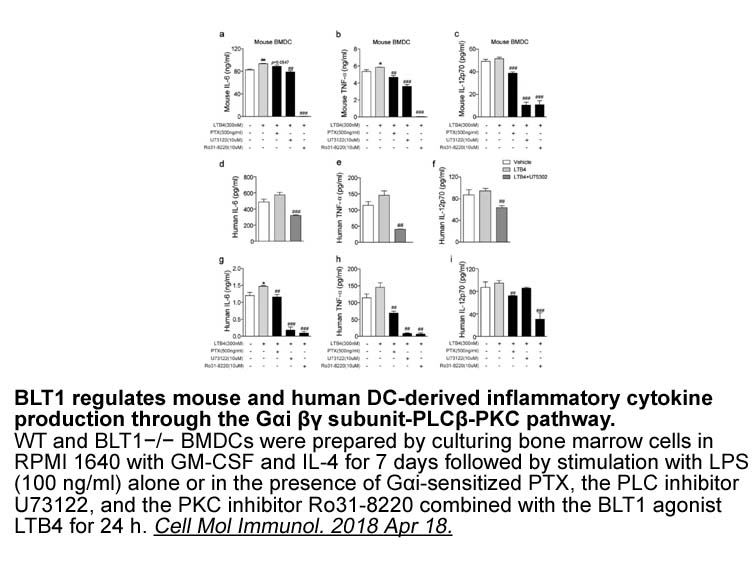
The transcription factor CREB has been extensively studied for its role in hippocampus-dependent learning and memory (West et al., 2002, Lonze and Ginty, 2002). Previous research has demonstrated that the phosphorylation of CREB at Ser133, performed by the ERK1/2 signaling pathway, initiates a casca
-
An Emerging Role for the
2021-02-24
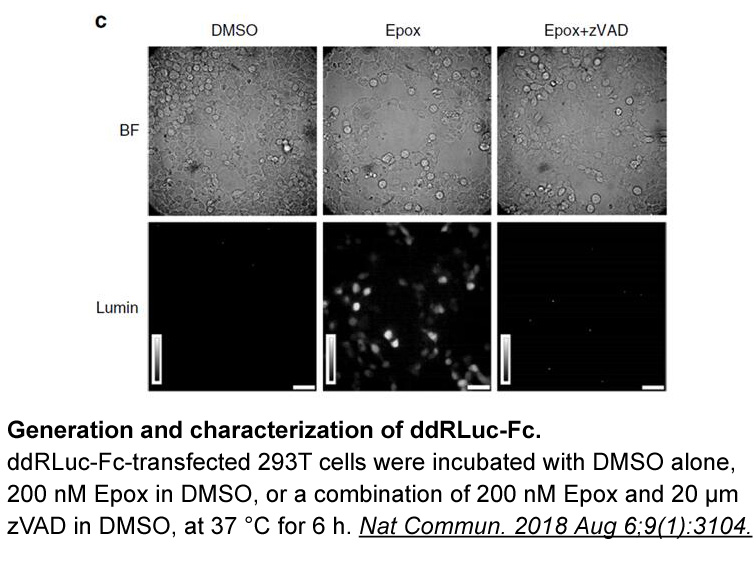
An Emerging Role for the EphrinB2-EphB4-RASA1 Signaling Axis in Human Congenital Cerebrovascular Disorders Normal vascular development includes de novo blood vessel formation from endothelial cells (ECs) (vasculogenesis) 1, 2, expansion of the network through vessel sprouting, splitting, and remode
-
While we previously demonstrated that TraG is inhibited
2021-02-24
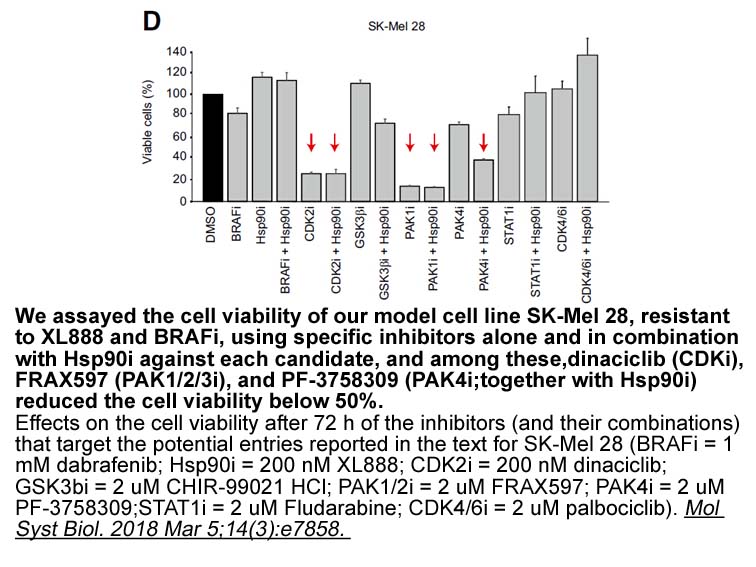
While we previously demonstrated that TraG is inhibited by specific transglycosylase inhibitors and that enzymatic activity is strongly reduced upon mutation of the potential catalytic core (Arends et al., 2013), the enzymatic mechanism of both domains was not assigned. Here, by mass spectrometry an
-
DGK negatively regulated the extension of long axon neurite
2021-02-24
DGKδ negatively regulated the extension of long axon/neurite (Fig. 4, Fig. 5, Fig. 6). The results strongly suggest that deficiency of DGKδ induces OCD-like behavior by enhancing axon/neurite outgrowth. DGKδ positively regulates growth factor signaling (Crotty et al., 2006). Therefore, DGKδ deficien
-
Besides by substrate and product KSTDs may also be
2021-02-24
Besides by substrate and product, Δ1-KSTDs may also be inhibited by other steroids. N. simplex ATCC 6946 Δ1-KSTD was strongly inhibited non-competitively by dicortinone (60), a steroidal dimer, and by bis-1-dehydrodicortinone, with values of 0.7 and 0.75 μM, respectively. This enzyme was also inhib
15826 records 706/1056 page Previous Next First page 上5页 706707708709710 下5页 Last page