Archives
- 2025-12
- 2025-11
- 2025-10
- 2025-09
- 2025-04
- 2025-03
- 2025-02
- 2025-01
- 2024-12
- 2024-11
- 2024-10
- 2024-09
- 2024-08
- 2024-07
- 2024-06
- 2024-05
- 2024-04
- 2024-03
- 2024-02
- 2024-01
- 2023-12
- 2023-11
- 2023-10
- 2023-09
- 2023-08
- 2023-06
- 2023-05
- 2023-04
- 2023-03
- 2023-02
- 2023-01
- 2022-12
- 2022-11
- 2022-10
- 2022-09
- 2022-08
- 2022-07
- 2022-06
- 2022-05
- 2022-04
- 2022-03
- 2022-02
- 2022-01
- 2021-12
- 2021-11
- 2021-10
- 2021-09
- 2021-08
- 2021-07
- 2021-06
- 2021-05
- 2021-04
- 2021-03
- 2021-02
- 2021-01
- 2020-12
- 2020-11
- 2020-10
- 2020-09
- 2020-08
- 2020-07
- 2020-06
- 2020-05
- 2020-04
- 2020-03
- 2020-02
- 2020-01
- 2019-12
- 2019-11
- 2019-10
- 2019-09
- 2019-08
- 2019-07
- 2019-06
- 2019-05
- 2019-04
- 2018-07
-
Plasminogen is composed of five N terminal kringle domains a
2020-03-04
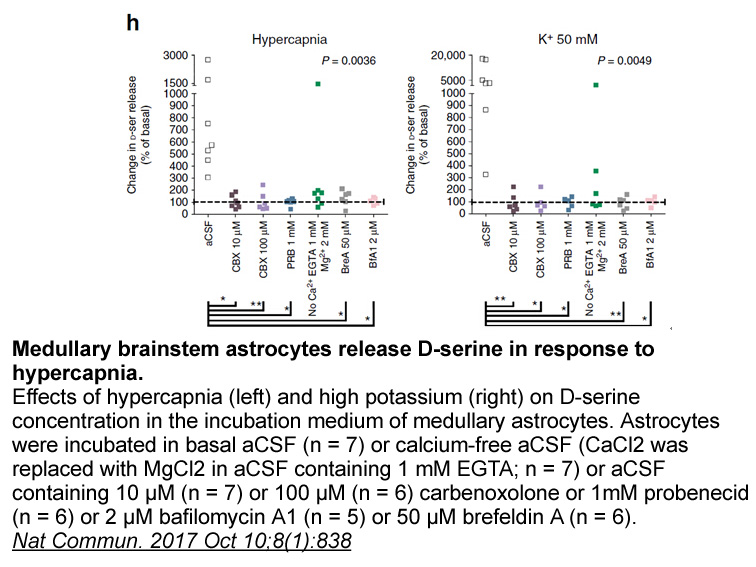
Plasminogen is composed of five N-terminal kringle domains and a C-terminal serine protease domain. The kringle domains have an affinity to lysine and binding of plasminogen with its receptors is dependent on its lysine interacting kringle domains [10], [28]. In the current report, we show that enol
-
Multi subunit RING type E ligases are exemplified
2020-03-04
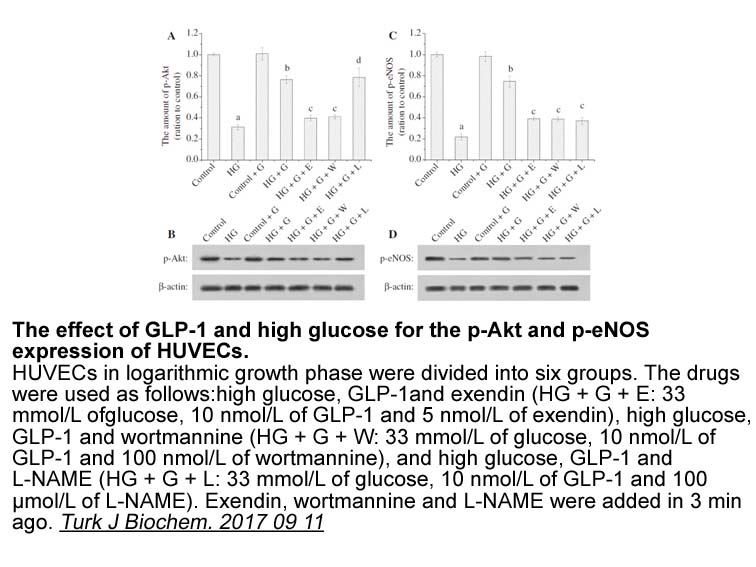
Multi-subunit RING-type E3 ligases are exemplified by the CULLIN-RING-ligase (CRL) and the anaphase-promoting complex/cyclosome (APC/C) [19]. CRLs constitute the biggest family of other multi-component E3 ligases. These consist of a cullin scaffold protein (CULLIN 1, 2, 3, 4A, 4B, 5, 7), a substrate
-
Here we explored the relative contribution of D
2020-03-04
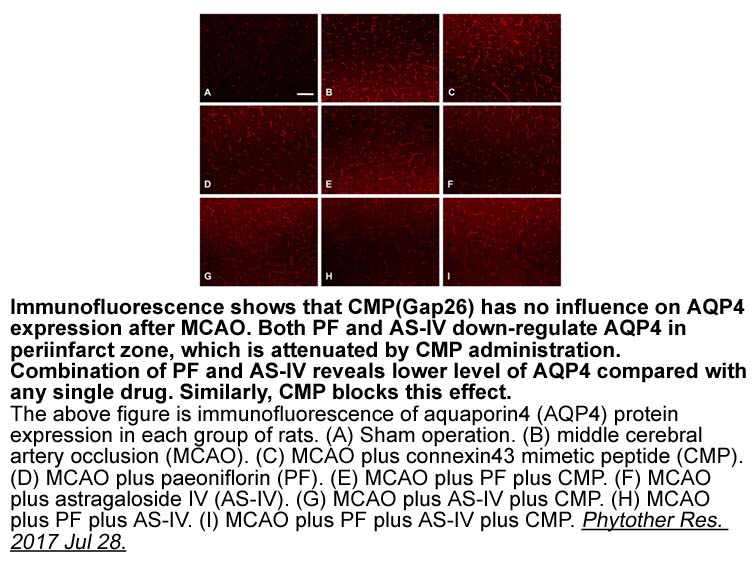
Here we explored the relative contribution of D1-like and D2-like receptor subtypes in the control of glutamate release, as well as their pharmacological properties and their interactions modulating the release. The pharmacological parameters (EC50 and Emax) of dopamine for the different types of re
-
br Results br Discussion C is related to
2020-03-04
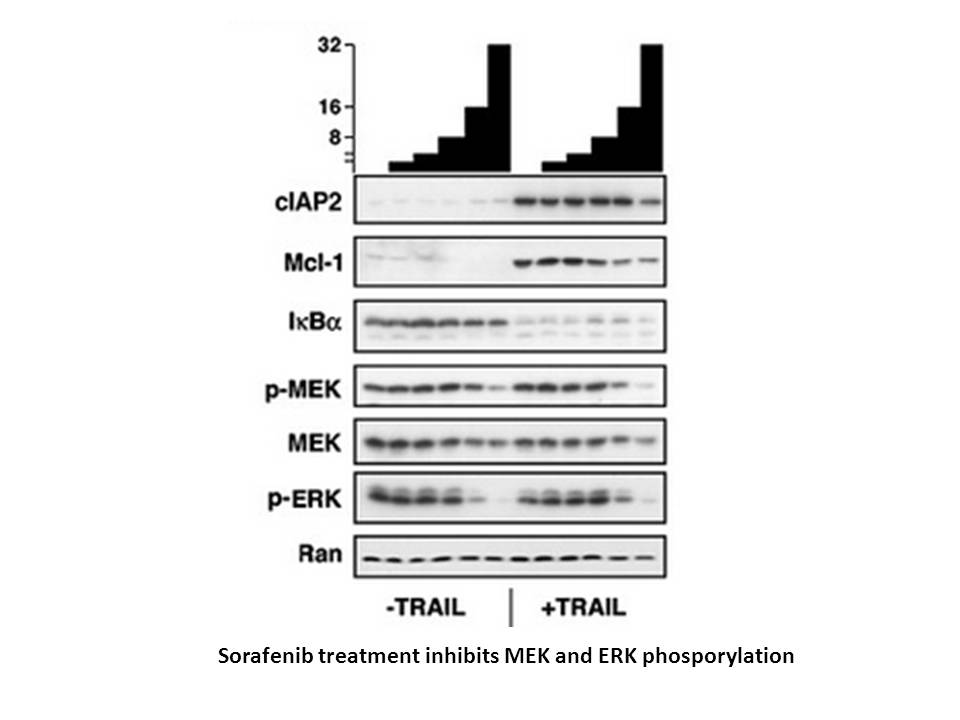
Results Discussion C4 is related to another VACV protein, C16, and the C-terminal domain of C16 also inhibits DNA-PK-mediated DNA sensing via the same mechanism and to a similar level as C4. Moreover, mutagenesis of C16 at the CYC residues equivalent to those in C4 abrogated the C16-Ku interac
-
This work was supported by grants from the Institute
2020-03-04
This work was supported by grants from the Institute of Cancer Research (ICR) and Biotechnology and Biological Sciences Research Council (BB/I014276/1 and BB/M013782/1). Main Text In 2006, Warburg et al. described an apparently distinct connective-tissue disorder characterized by blepharophimosi
-
The three dimensional crystal structure of
2020-03-04
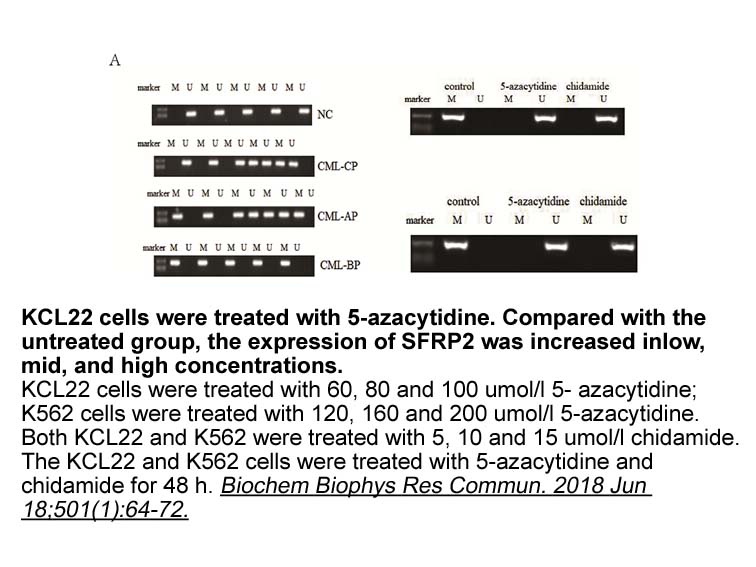
The three-dimensional crystal structure of Ca2+ loaded CaM reveals a dumbbell-shaped molecule with two roughly globular lobes, the N- and C-terminal lobes linked by a long solvent-exposed helix, which has been shown by NMR to be non-helical in its central part and flexible in solution [13]. Each glo
-
Autophagy alterations are frequently reported
2020-03-04
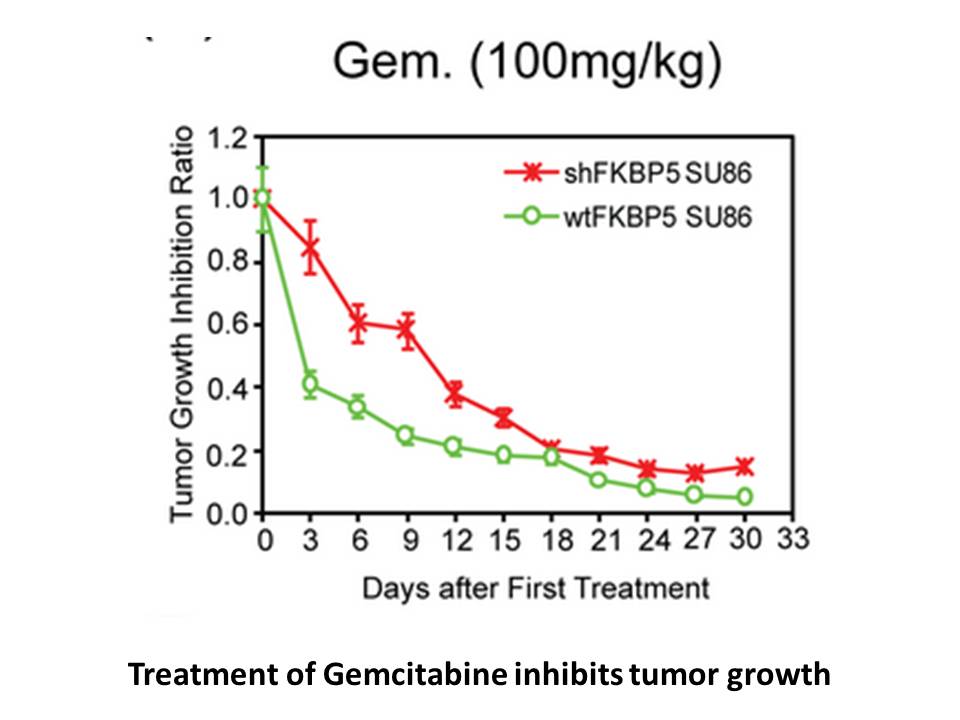
Autophagy alterations are frequently reported as one of the pathological mechanisms contributing to neurodegenerative diseases, due to incomplete removal of protein 5-BrdU mg in the brain [30,41]. It was over a decade ago when mutations in PARK8 encoding for the LRRK2 protein were described as a ma
-
Instead of receptor interaction or GT activity we
2020-03-04
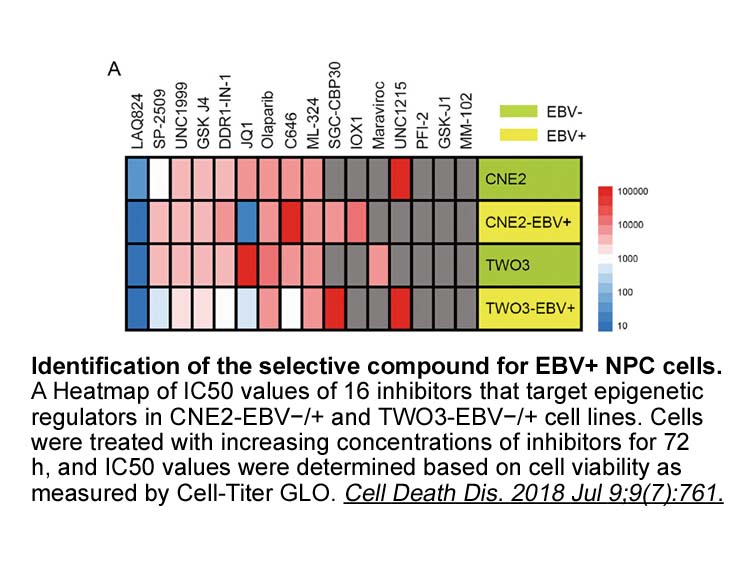
Instead of receptor interaction or GT activity, we focused on the CPD and autoprocessing. The CPDs from the 2 toxins are highly homologous: each cysteine protease targets an intramolecular substrate and mediates InsP6-induced autoprocessing to release the GTD into host cytosol.40, 41 However, TcdB i
-
In this review we first introduce the in vivo metabolism
2020-03-04

In this review, we first introduce the in vivo metabolism profile of VD3, and the mediation of Cyp3a gene transcription by PXR and CAR in humans, mice and rats. We then focus on the species-specific VDR-dependent regulation of human (CYP3A4, CYP3A5 and CYP3A7), mouse (mainly CYP3A11 and CYP3A13), an
-
A number of immune relevant genes have been studied to
2020-03-04
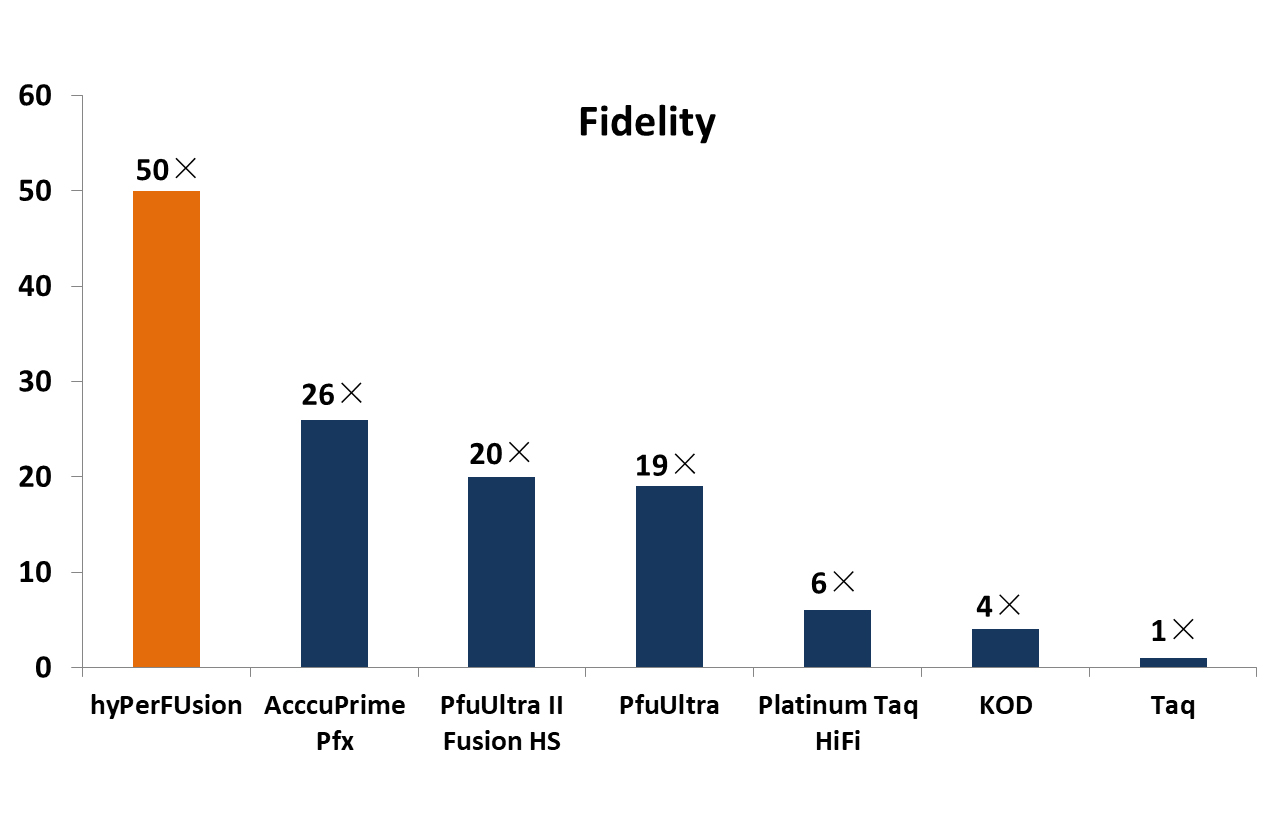
A number of immune-relevant genes have been studied to explore the immunologic mechanisms in large yellow croakers; however, the chemokine receptor CXCR family has never been studied in this organism. Chemokines are a large superfamily of chemotactic cytokines that are utilized to direct the traffic
-
Introduction Angiotensin II Ang II and Endothelin ET are pot
2020-03-04
Introduction Angiotensin II (Ang II) and Endothelin 1 (ET-1) are potent vasoconstrictive peptides recognized as key players in many cardiovascular diseases [1]. Cardiac hypertrophy, ischemic arrhythmia, and stroke have been associated to an overstimulation of the angiotensin II type 1 (AT1) recepto
-
Although it is well established that estrogen and ESR mediat
2020-03-04
Although it is well established that estrogen and ESR1 mediate numerous reproductive processes, increasing evidence suggests that ESR2 also lays an integral role in reproduction. ESR2 is a mediator in folliculogenesis and may also act by stimulating ovulation and regulating luteinization (Su et al.,
-
Neutrophils produce high amounts of ROS which act as antimic
2020-03-04
Neutrophils produce high amounts of ROS, which act as antimicrobial agents, signaling molecules or initiators during PMA-induced NET formation. Of the intravenous anesthetics used in this study, propofol was the best at decreasing PMA-induced ROS levels (Fig. 3A and B). Our previous study also demon
-
br Acknowledgments br Significance The mechanisms underlying
2020-03-03
Acknowledgments Significance The mechanisms underlying the adverse effects of Epo-stimulating agents on the reduced survival of cancer patients are not well understood. Here, we identified EphB4 as an alternative Epo receptor, which triggers Src/Stat3 signaling via EphB4. We also showed that r
-
br Chondroitin sulfate proteoglycans CSPGs are
2020-03-03
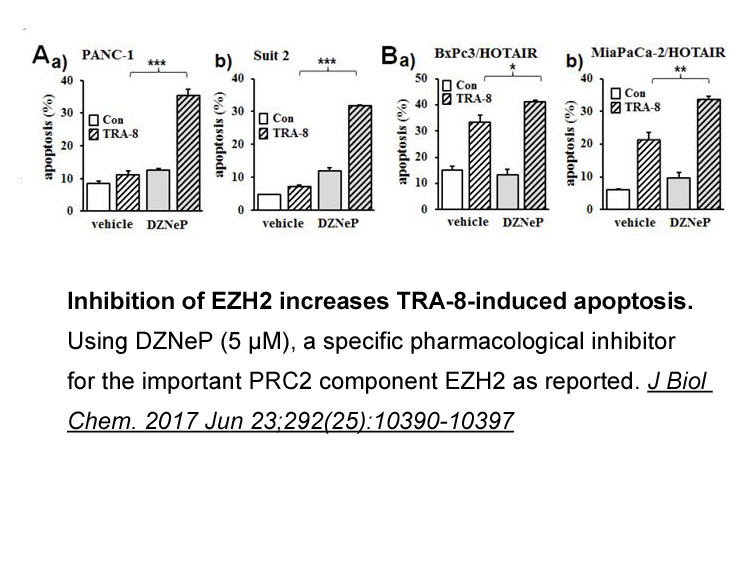
Chondroitin sulfate proteoglycans (CSPGs) are major components of the extracellular matrix in cartilage. Each CSPG comprises a single core protein and attached chondroitin sulfate (CS), belonging to the glycosaminoglycan family of sugar chains. CSPGs and CS are involved in numerous biological and
15510 records 861/1034 page Previous Next First page 上5页 861862863864865 下5页 Last page